

Non invasive pain relief Solution without risks of surgery
Call For Appointments:
The Pain Relief Clinic is a pain management clinic in Singapore that combines traditional pain relief therapy with non-invasive pain treatment solutions available, to specifically help patients who suffer from both acute and persistent pain.
Using a combination of conventional medicine, as well as new technologies such as INDIBA® active ProRecovery and Shockwave Therapy, we provide effective clinical solutions to pain.
By promoting bone, cartilage, and soft tissue repair, our pain clinic offers a number of non-invasive, safe, and drug-free options, that are effective for patients who still suffer from pain after trying other treatments, or who are not comfortable with the risks and complications of other options.
Why Choose The Pain Relief Clinic


Results

From Over 29 Countries

Fees
Conditions that respond well to pain treatment include:
- Persistent Neck, Back, Knee, Spine and Hip Pain and Stiffness
- Persistent Foot, Shoulder, Elbow, Wrist, and Hand Pain and Stiffness
- Muscle and Ligament Sprains
- Sports Injuries and Tendonitis
- Generalized Body Aches and Pains
- Chronic Tiredness and Lack of Energy
- Sleep Difficulty and Stress
- Headaches and Migraine
- Chronic Hand and Feet Numbness
- Slipped Disc, Sciatica and Nerve Pain
- Arthritis and Osteoarthritis
- Carpal Tunnel Syndrome
- Fibromyalgia and Rheumatism
- Bunions and Gout
Our Signature Pain Solutions
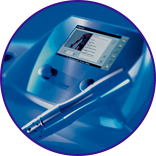
Shockwave Therapy
Used internationally as a non-invasive method of treating pain and inflammation using high-energy acoustic waves.
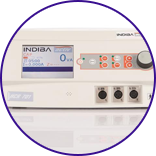
Hotheal Therapy
The non-invasive radiofrequency technology used by leading professional sports teams, hospitals, and clinics across Europe and Japan for pain relief.
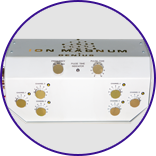
Electromedical Stimulation
Cleared by the US FDA for Muscle Conditioning, it offers powerful applications in sports science, rehabilitation medicine, and pain management.
What To Expect On Your 1st Visit Consultation
- Clearly understand your condition
- Learn why previous treatments did not work
- Explore effective options
- Use medical technology
- Arrange affordable X-ray, Ultrasound, or MRI scans
- Get a clear diagnosis
- Get a second opinion
- Avoid surgery risks
- Avoid medication side effects
- Avoid repetitive treatments
1st Consultation @
$50
3 Common Misconceptions about Pain:
- My pain is persistent. I’ve tried gels, painkillers, injections and pain management specialist treatments which did not work. There is no choice except for surgery.
- My pain is due to wear and tear, age related degeneration. Nothing much can be done, while it gets worse with time. I must just learn to live with it.
- My pain is due to sports injury and exercise causing a muscle, ligament or cartilage tear. The only options are resting, physiotherapy, steroid injections and maybe surgery.
Type Of Concern
About Dr. Tan
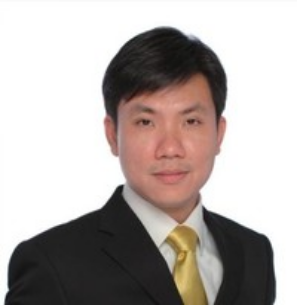
As the principal pain doctor in Singapore running The Pain Relief Clinic, Dr Terence Tan’s passion for pain relief grew out of personal experience.
Having spent well over a decade treating patients suffering from pain, Dr Tan developed his special interest by introducing non-invasive pain solutions and tissue repair technologies into Singapore.
He is accredited with both the Family Physician Accreditation Board and the Singapore Medical Council.
He is also a member of the Singapore Medical Association and The Pain Association of Singapore.
Committed to providing result oriented pain treatments, his philosophy is to always offer patients the safest, most effective and least invasive treatments available.
His patients appreciate the value of being able to have consultations, investigations (xray, ultrasound and MRI), and treatments all done on the same day, especially when they are suffering from severe pain.
Dr Tan’s clinical approach is that while there is a role for short term medications in specific situations, patients do not generally want to be dependent on long term painkillers or try risky solutions.
Even in age related, “wear and tear”, and other chronic conditions, a comprehensive yet targeted approach to pain management can help patients be free from pain and lead a healthy active life.
The Importance of Treating Pain Effectively:
Persistent pain from chronic injuries, wear and tear, nerve pain, and other causes often results in frustration, low energy level, poor sleep (insomnia), irritability, depressed mood, difficulty with concentration and memory, mobility problems and even reduced sexual function.
Relationships with friends and family, work, personal happiness and life in general may also be affected. Pain has even been associated with loss of brain mass.
By properly treating persistent pain, patients will be able to enjoy work, sports, and life in general more effectively.
Sleep will also become more restful, resulting in more energetic days and better moods.
More importantly, pain and its underlying cause must be properly treated to prevent it from getting worse, and deteriorating to the point where surgery and other invasive treatments become necessary.
If you are unsure of the cause for the aches, pain or stiffness you are suffering from, or if your condition has not improved despite standard treatments and have been told to consider surgery, do not worry.
Simply contact us to explore your options.
What To Expect When I Visit The Pain Relief Clinic
A typical visit will involve our doctor first understanding your medical history, concerns and previous experience with other pain treatments.
For patients who have consulted many people but have yet to receive a clear diagnosis, selecting an affordable imaging scan might be recommended to confirm the cause of your pain..
Some patients have already done scans with other doctors for their pain condition but are still not clearly told what they suffer from.
Dr Terence Tan is happy to offer you a second opinion and recommend how best to manage your condition.
We also see patients who already have a confirmed diagnosis from specialist pain doctors, but are "stuck” because treatment options offered are not practical or acceptable.
We can help by discussing options that you might have potentially never been told of.
A common experience is when a patient has already consulted a specialist doctor for pain management and is told to consider orthopaedic surgery which they find too aggressive.
Or they may have seen doctors for their pain and were prescribed painkillers with potential side effects which made them feel uncomfortable.
Many of our patients have also first tried complementary treatments or acupuncture with traditional Chinese pain doctors.
They look for a second opinion after finding any relief experienced from other treatments to be temporary or requiring repetitive treatments, which add up to time and cost.
Especially in such situations, we emphasize using non-invasive medical technology you likely have not been told about .
This can make a big difference to your results.
Ask Dr Tan a Question about your problem
Find out how your pain can be more effectively treated.
For enquiries, Call +65 6732 2397
THE PAIN RELIEF CLINIC

Unsure What You Want To Do?
Join Our 3-Part Pain Relief Webclass
Get answers to questions such as:
- What is causing my pain?
- Why aren'y my TCM, chiropractic, or physiotherapy treatments working?
- How can I avoid eventual surgery?
- Why do I feel worse with exercise, despite being told it's benefecial?
- Am I wasting money on glucosamine supplements?
- How can new medical technology help?
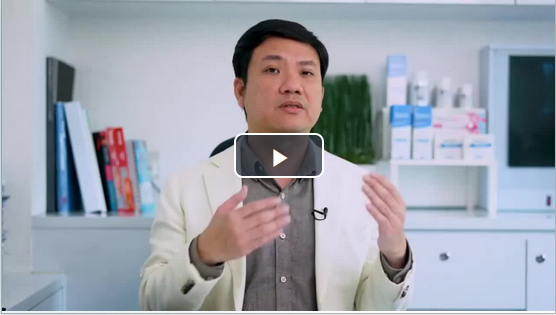
 Click For Live Back Pain Workshop
 Our Doctor
Quick Links
 Call for Appointments
 Our Location
Follow Us


 Contact us on Whatsapp